



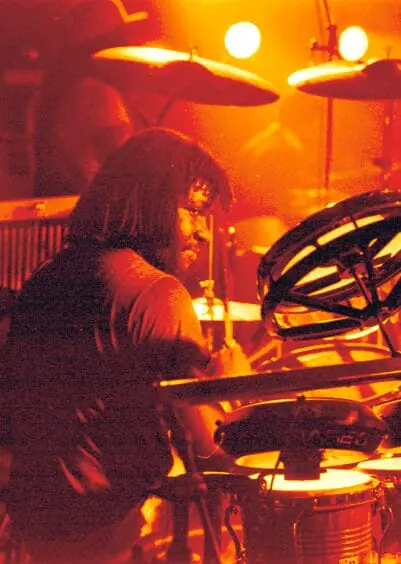
“SlyDunbar1979 (cropped)” by TimDuncan is licensed under CC BY-SA 3.0.
Reggae icon, Sly Dunbar, known for his meticulous timing behind the kit, “Riddim Twins” status with Robbie Shakespeare [Sly & Robbie], and revolutionizing the genre by introducing rock parameters to his approach, has passed away at 73.
Celebrated as one of the genre’s most vigorous contributors, Dunbar lent his talents to a bank of 200,000 recordings, ranging from Bob Marley’s beloved “Punky Reggae Party” to Mick Jagger’s 1980’s solo contributions, Bob Dylan, Peter Tosh, Herbie Hancock, Joe Cocker, Grace Jones, and more.
The two-time Grammy Award winner’s wife confirmed his passing to Kingston news outlet, The Gleaner.
…
Lowell “Sly” Dunbar was born in Kingston, Jamaica, on May 10, 1952. The instinct to create rhythm propelled the future recording artist to start pounding on cans—inspired by what he saw Lloyd Knibbs and the Skatalites play on television.
By 15, he joined the Yardbrooms, before tracking his beat in the studio for the first time on the Dave and Ansell Collins album Double Barrel. The foundation of his musical understanding and appreciation set him up for his blooming partnership with Shakespeare, forging a rhythm section with the bassist dubbed the Revolutionaries and appearing regularly as a session contributor at Channel One recording studio.
The pair crafted a sound that differed from what was typically coming out of Jamaican recording studios at the time, by opting for a rock-informed approach, rather than focusing exclusively on the melodies associated with Bob Marley’s music.
Dunbar spent the bulk of the 1970s working with various reggae acts, including Gregory Isaacs, Barrington Levy, and Dennis Brown, as well as Peter Tosh, who kept him and Shakespeare busy through 1981, contributing to five recordings and US tours.
In an effort to step out on their own, Dubar and Shakespeare founded Taxi Records in 1980, supporting the next generation of Jamaican artists, including Skip Marley, Shaggy, Black Uhuru, Shabba Ranks, Chaka Demus and Pliers, Ini Kamoze, Red Dragon, Beenie Man, and others.
Grace Jones extended an invitation to Dunbar to play her 1981 record, Nightclubbing, which unlocked a figurative gate to working with some of rock and pop’s greatest contributors.
His creative panache cemented his legacy as a reggae innovator through the addition of texture and the increased use of electronic instruments. His impulse to try new things brought about a melodic and vivid chapter in dancehall music with the duo Demus & Pliers, resulting in early ‘90s hits, “Tease Me” and “Murder She Wrote.”
Dunbar’s prolific status as an active contributor to music is best observed by Brian Eno in 1979:
“When you buy a reggae record, there’s a 90% chance the drummer is Sly Dunbar. You get the impression that Sly Dunbar is chained to a studio seat somewhere in Jamaica, but in fact what happens is that his drum tracks are so interesting, they get used again and again.”
In death, Dunbar is reunited with his musical partner, Shakespeare, who passed away in 2021.

No Comments comments associated with this post