


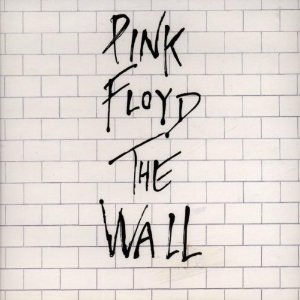
In 1978, Pink Floyd was one of the biggest music acts in the world. They were on a roll after three commercial and critical concept albums had been extremely successful, Dark Side of the Moon, Wish You Were Here, and Animals. And like Led Zeppelin, the band with whom they shared a portion of the hallowed 70s rock throne, their awesome mystique was built upon the fact that they were untouchable gods, and the audiences who worshiped them were behind an impenetrable wall, separating fans from the band. Which, in many respects, is how punk rock was born, but that is a different story for a different time, and in 2010, as ex-Pink Floyd de facto leader, conceptualist, chief songwriter, bassist, and co-lead vocalist Roger Waters tours the world with his masterpiece of self-absorbed alienation and isolation, The Wall, Jambands.com takes a look back at the 1979 double album’s origins within that tumultuous 70s decade, and the work’s life outside the wall, and, indeed, outside those heady times and beyond.
After the Floyd shot original leader Syd Barrett from stardom to oblivion post-mental breakdown fueled by acid and alleged psychosis, his replacement, childhood friend and guitarist/vocalist David Gilmour helped the band immerse itself in improvisation. In other words, the Floyd was buying time before trying to find its way out of the haze of the late 60s and early 70s as space rock pioneers. A key element in this artistic transformation was the unique ambient keyboard stylings of Richard Wright who brought a haunting yet humane texture to the band’s music. Coupled with the underrated drumming of Nick Mason, the two were often overshadowed by the twin towers standing next to them. David Gilmour began to develop his own individual guitar and vocal styles that would become central to the band’s image, brand, and melodic structure, but it would be Roger Waters who found the key conceptual ideas rooted in timeless Everyman lyrics that took root in the collective consciousness of many generations to come. Finally, they hit gold.
But by 1977, Waters was burned out—burned out by stardom, success, the band, fans, and humanity in general. If artistic recognition had been a goal for the musician, it had not been enough to sustain his happiness. Because at his core, Waters was an unhappy man weighed down by the baggage of his past, and, like Barrett, success, even on his own terms, wasn’t going to wash away all of his problems that had been left unresolved. Unlike Barrett, however, Waters found a rather interesting and popular way to subdue some of his demons without going completely insane. Yes, he would become a dictator, lording over the rest of his band mates with his energy, ideas, and conviction, but that was arguably a result of the work itself, rather than any explicit issues with Waters.
And I can write that because in 1978, Pink Floyd, on top of the rock world, along with their British countrymen, Led Zeppelin, were, unlike the Mighty Blimp, flat broke. Their ill-advised investments had been handled by the usual team of nouveau riche “financial experts” and had been, well…mishandled. Without a long and tedious review of the books (something this writer could do, but why bog down our little tale with accounting, right?), we focus instead on the fact that the Floyd needed a hit album, not just a hit single, but an entire album to resurrect their fortunes.
Which was all pretty much unknown to most stoned-out fans in the 70s. To the legions, the Floyd was living lives of earned privilege. And why not? Hell, they had created three great albums in a row, without even counting the earlier sublime Meddle from 1971. But, the band was in debt, and they were seemingly out of ideas. Too consumed by riches, and the leisurely activity that accompanied such wealth, the members of Pink Floyd were entering a deep financial crisis without any way to earn back their fortune. Yes, today, one could look at their back catalogue and see the revenue that could be generated, but that was unknown in 1978. So Roger Waters, again, took it upon himself to reach deep inside to forge an album that could speak to the masses and sell millions. He offered two complete album demos to the band— The Pros and Cons of Hitchhiking and The Wall.
The other three members wisely chose The Wall as it offered a solid, consistent theme, and had musical motifs that appeared quite recordable. And they were. Waters had written a musical and lyrical autobiography of his life stretching back to the fact that his father was killed in Anzio in World War II, his mother was a loving but domineering single parent, he had issues with the totalitarian British educational system, and his early relationships with people were often tinged by betrayal and regret. On top of that, he had become a hugely successful musician, and, because Pink Floyd was so popular that they toured in giant stadiums, he not only could no longer connect with himself, but he had zero connection with his audiences. They were out there—the unwashed and teeming disposable-income masses—and Waters couldn’t do anything but, literally, spit on them, as he did in an infamous incident in Montreal on the 1977 Animals tour.

No Comments comments associated with this post