When The Band released its debut, Music from Big Pink, in 1968, it was a recording that intended to representfaithfully the songs and the spirit developed during the quintet’s sabbaticalfrom “the revolution”; decamping to the hills of Upstate New York, and morespecifically to the basement of a blushing house in Woodstock, to write andplay outside of the musical, cultural, social, and political tempests swirlingaround during that tumultuous era. Theyteamed with producer John Simon back in New York City and recorded the tracksfor that inaugural release by setting up in the studio in a similar fashion totheir subterranean digs upstate. Theresults were immediate and impactful, garnering near universal praise frompeers and critics for the record’s genuine and nuanced return to the roots ofmany American genres (ironic, given the fact that four of the five were, infact, Canadian).
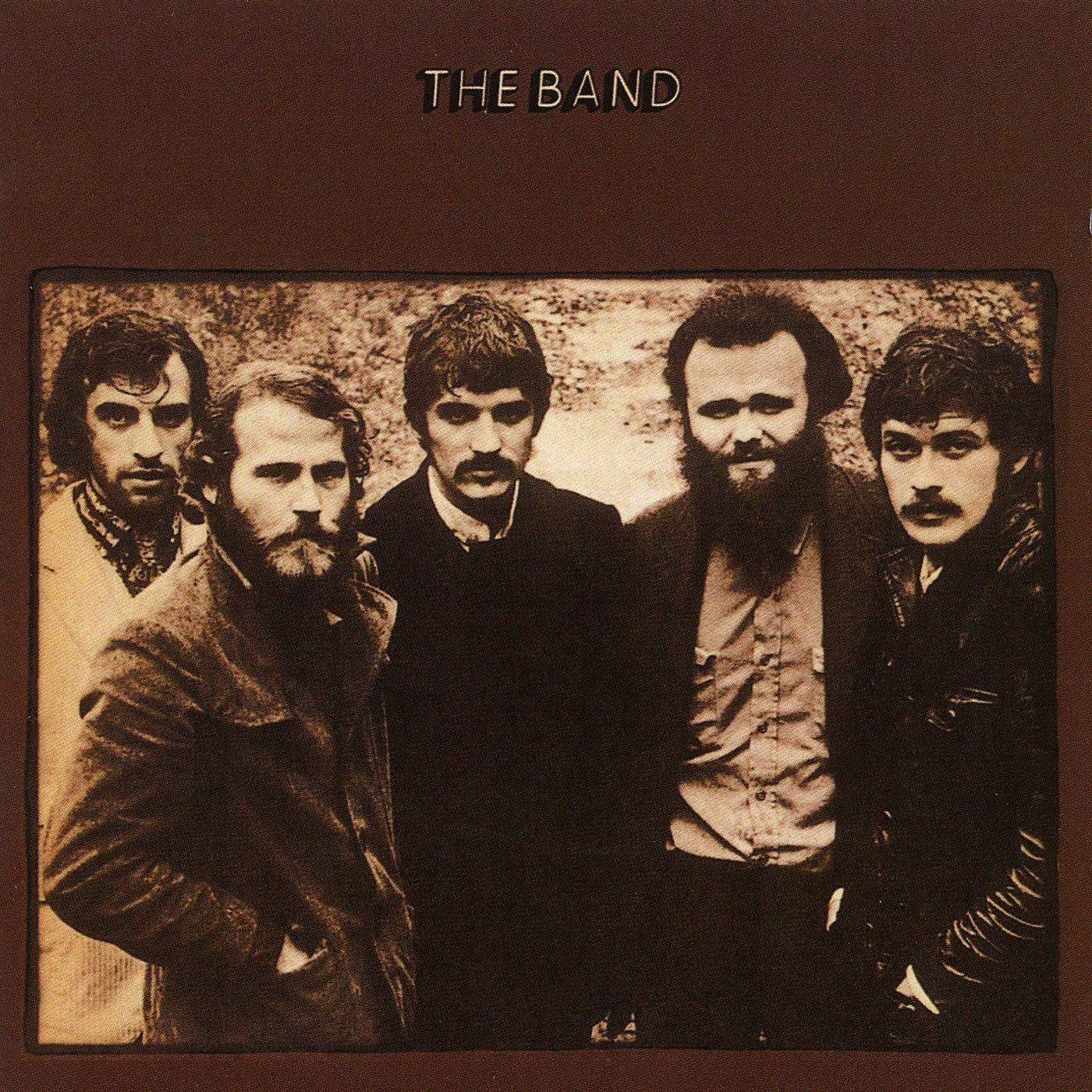
A follow-up was inevitable and, as with many sequels, highlyanticipated. The Band answered with aplainly self-titled collection; its cover adorned with a shade of rustic brownframing a stark black-and-white group photo of the five looking road-worn andpensive. The music inside was equally ascharming and unpretentious as on the first, but notable in that all twelve ofthe tracks were written (or co-written with bandmates) by guitarist/singerRobbie Robertson, whereas Big Pinkborrowed three from their former boss, Bob Dylan, and included more prominentcontributions from pianist Richard Manuel.
Furthermore, the same homemade quality that inhabited theBig Pink sessions with Simon in NYC surfaced here, as well, for the sophomoreeffort. It’s somewhat impressive, giventhat the group had relocated to Los Angeles, California, taking up residence inSammy Davis Jr.’s pad, bringing along their families, living, writing, andrecording in their swanky Hollywood Hills rental. Simon came along as a co-producer, but thisgo was officially helmed by The Band.
Now, 50 years later, it’s being reissued as a box set thatfeatures the original album, remixed in stereo from the original multi-tracksby the highly respected engineer Bob Clearmountain, and includes a variety ofouttakes and alternate versions, along with the first official audio releasefrom The Band’s set at the Woodstock festival in August of 1969.
In essence, this makes TheBand 50th AnniversaryEdition an entirely new collection. Correspondingly, the first conspicuous difference with any previousincarnations is the emphasis Clearmountain has placed in the mix on the vocalperformances. In turn, there is aresulting space between voice and instruments that allows for either to shine evenmore distinctly throughout the dozen classic cuts. No better is this demonstrated than bycomparing the three versions included on the two discs of the album’s perhapsmost famous song, “Up on Cripple Creek.”
The proper take has lifted the Arkan-soul vocal of drummerLevon Helm just high enough above the wonking funk of Garth Hudson’s clavinet,nodding to a New Orleans’ groove, to allow it freshly renewedappreciation. The bonus instrumentalversion, with the barely-there ghost of Helm’s vocal, returns the favor toHudson, showing off the quintet’s dexterity and inherent bounce as a tight, butloose unit. The final version is analternate take that exemplifies again how connected the five were musically,and how even the smallest changes in cadence and phrasing from Helm made thebiggest differences in choosing which version we would all end up hearing. Totaled together, it’s one of the manyrevelations of such a complete overview of this landmark album.
By spreading out such a blanket with the repertoire, andincluding prints of select photos from the session and an illustrative bookletwith essays from noted scribes Anthony DeCurtis and Ralph J. Gleason- thelatter excerpted from an October ’69 RollingStone piece- this set easily could be the final word on this brilliantrecord; the one any fan should have. Asa compilation of everything surrounding one of the finest second albums by anyartist ever, The Band box set iscomprehensive and inclusive, with exceptional fidelity worthy of themasterpiece it’s been hailed as for five decades.