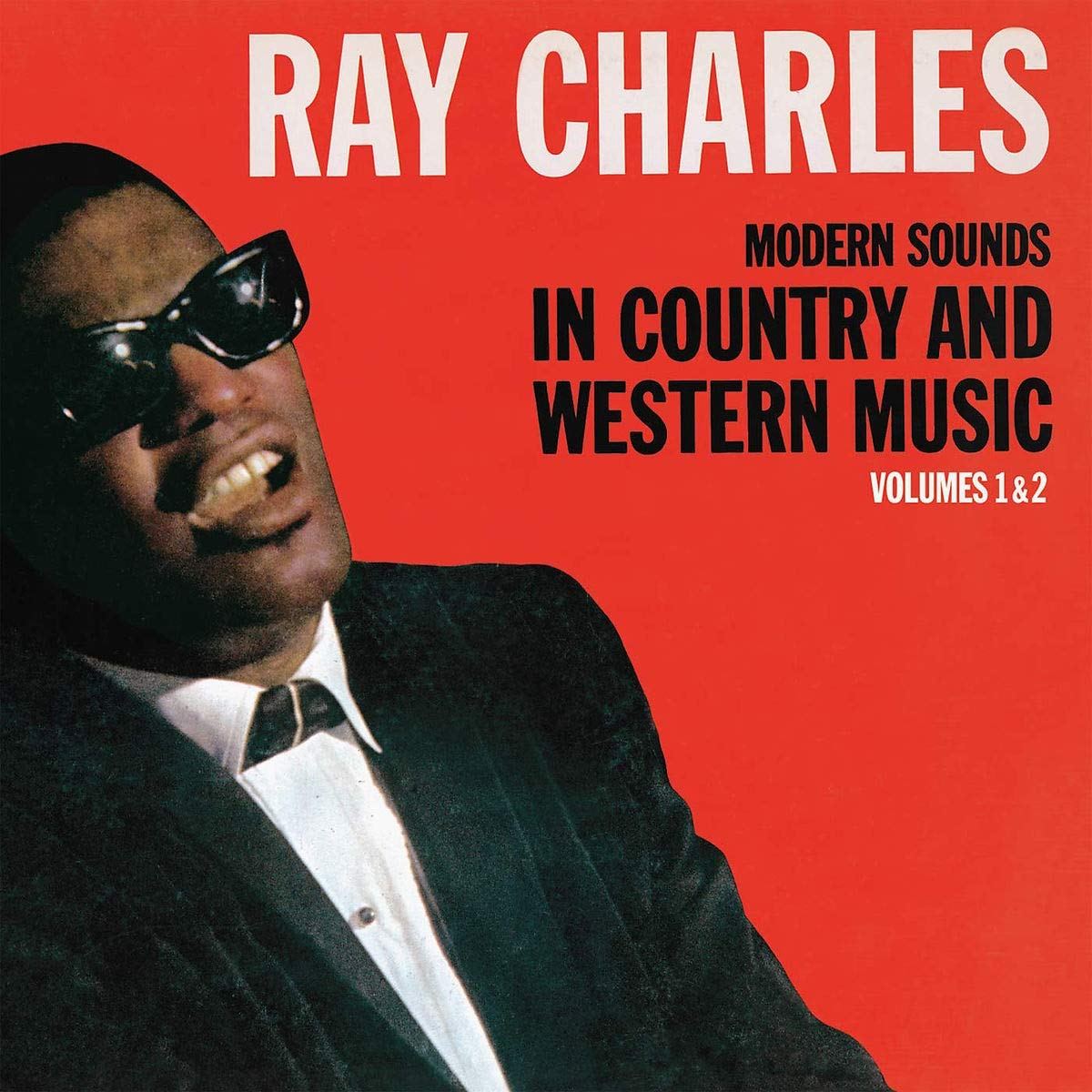
There are a few albums so integral to the fabric of Americanmusic that they probably should be reissued every handful of years, just to besure each successive generation of listeners gets exposed to their musical and culturalsignificance. Ray Charles’ duo volumesmaking up Modern Sounds in Country andWestern Music, (here combined into a single CD), is one of those collections. And, while this reissue offers nothing new interms of the music itself, it does commemorate the album’s return to vinyl andits first appearance on streaming platforms.
Volume 1 was initially released in 1962, and following itsinstant success, a second emerged a few months later. Charles achieved American Treasure statusover the course of his four-decade career, and gave the world of music some ofits most memorable performances. Thetwo-dozen tracks that comprise this combined pair of albums give their fairshare of contributions to that list, including the enduring hits “Born toLose,” “Careless Love,” and, of course, “I Can’t Stop Loving You.”
Yet, even with the continued and lasting impressions theserecordings make on audiences, it’s the cultural, social, and political climateduring which they were first released that should be equally recognized. Today, an artist crossing into other genresrepresents nothing more than an artistic ambition, but it’s essential to the appreciationof these landmark records that the context within which Charles made them berecalled, as well. This was the early1960s in America- a time when the battle for civil rights, especially in theSouthern states, was a fierce struggle for justice and, in some cases,survival. For Charles, a native Georgianand a black artist labeled as an R&B singer, to take on the canon ofcountry icons such as Hank Williams, Don Gibson, and Eddy Arnold, was to many abold move, to say the least, and to some, potentially blasphemous.
Still, Charles was undeterred by the threat of criticism,let alone the threats of racism and prejudice, as he fought to get approval tomake the album. His courage andbrilliant musicianship were rewarded with a million-seller and a set of songsthat redefined him forever as an artist without boundaries. While the lush, lilywhite background singerson some of the ballads may harken back to an era gone by, little about themusic remains dated in its execution. And, perhaps ironically, those powdery vocals supporting Charles’ richlysoulful tone suggest a hierarchy that history would prove out: Ray Charles’ voice is the one that sustains.