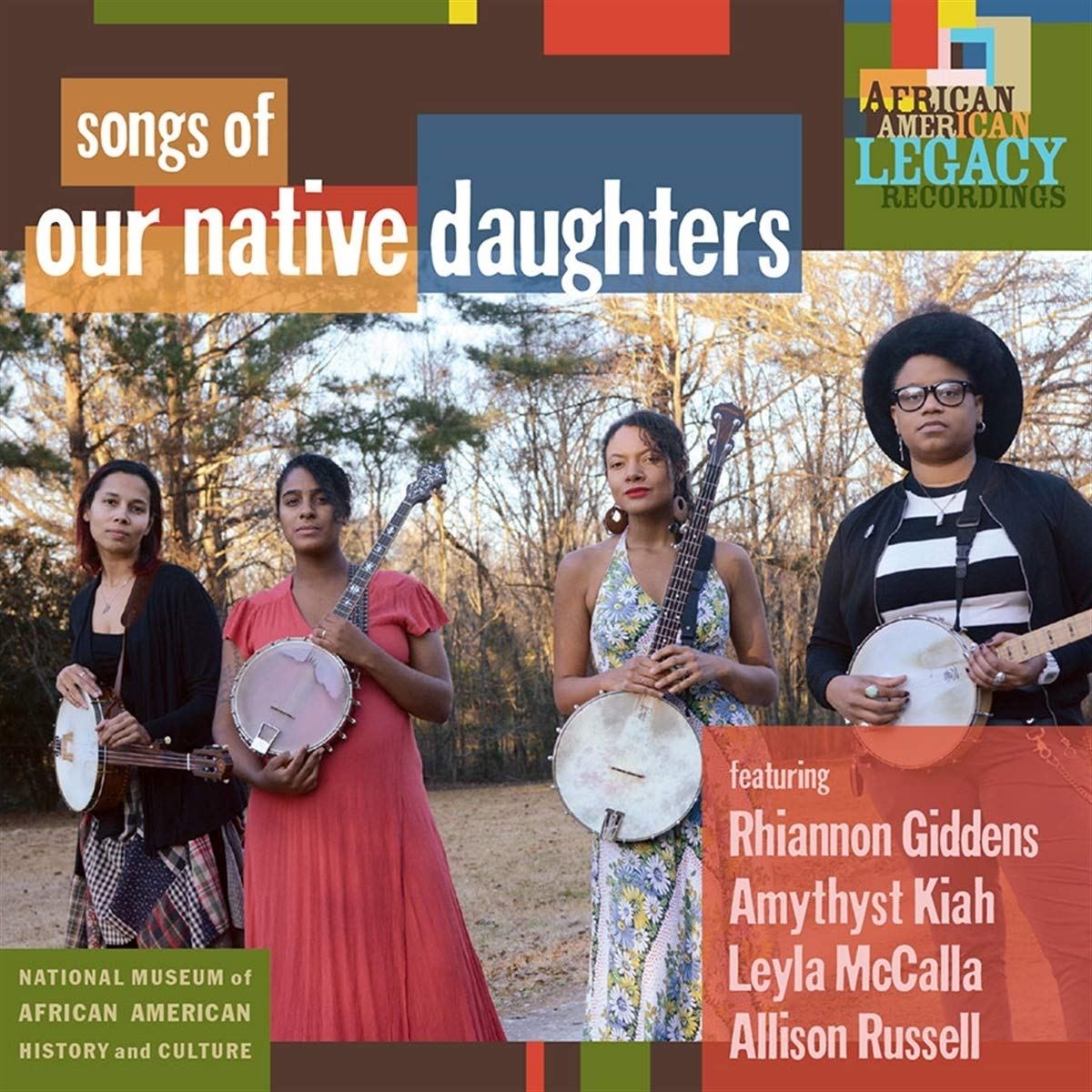
There are supergroups and then there’s Our NativeDaughters.
Featuring former Carolina Chocolate Drops RhiannonGiddens and Leyla McCalla; Birds of Chicago’s Allison Russell; and AmethystKiah, this band of multi-instrumentalist black women tells the stories ofAmerica’s darkest open secret, its legacy and its impact on women of color onits exceptional debut, Songs of Our Native Daughters, whichfeatures one dozen originals and a cover of Bob Marley’s “Slave Driver.”
This is Giddens’ baby - she’s the only Daughter toappear on every track. But they are all key to the album’s impact, as they teamto write and co-write tracks, add breathtaking vocal harmonies and contribute adizzying array of instruments including Giddens’ percussion, fiddle and banjo;McCalla’s cello, guitar and banjo; Russell’s percussion, banjo and clarinet;and Kiah’s guitar, banjo and percussion.
They’re backed by a few choice session players -including Giddens’ longtime associate and producer Dirk Powell - on guitar,mandolin, fiddle, accordion, bass and drums.
Kiah’s “Black Myself” opens the LP and serves as theDaughters’ mission statement. It’s a bluesy rocker in the vein of LedZeppelin’s “When the Levee Breaks” and speaks to the alienation black peoplecontinue to feel and the strength with which they persevere. Buffeted withaccordion and electric guitar, this track is an outlyer in the album’s overallatmosphere, but is key to establishing the story about to unfold.
“Ah, you steal our children, but we’re dancing/ah,you make us hate our very skin, but we’re dancing,” Giddens sings on thesparking “Moon Meets the Sun,” where the album moves from contemporary toantebellum America with just one fade.
Russell sings of her Ghanaian relative, a slave, on“Quasheba, Quasheba,” and recalls a life that saw her forebear “raped andbeaten/every baby taken/starved and sold and sold again.”
And then Russell rejoices in Quasheba’s legacy.
“By the grace of your strength we arehome,” she sings.
Songs of Our Native Daughters is analbum that puts banjo music back in its proper context. Though mostlyassociated with rural, white folks today - “I pick the banjo up and theystare at me, ‘cause I’m black myself,” Kiah sings on the opener - it comesfrom Africa. And like so much, it was co-opted and its history forgotten.
The Daughters sing of other systematic lies on“Blood and Bones,” a deceptively uptempo number whose music belies its message- that there were no winners in an institution where one race claimed inherentsuperiority, but knew instinctively their way of life was wrong on every level.
“When they bound us to their will/they trappedthemselves in hell as well,” Kiah sings.
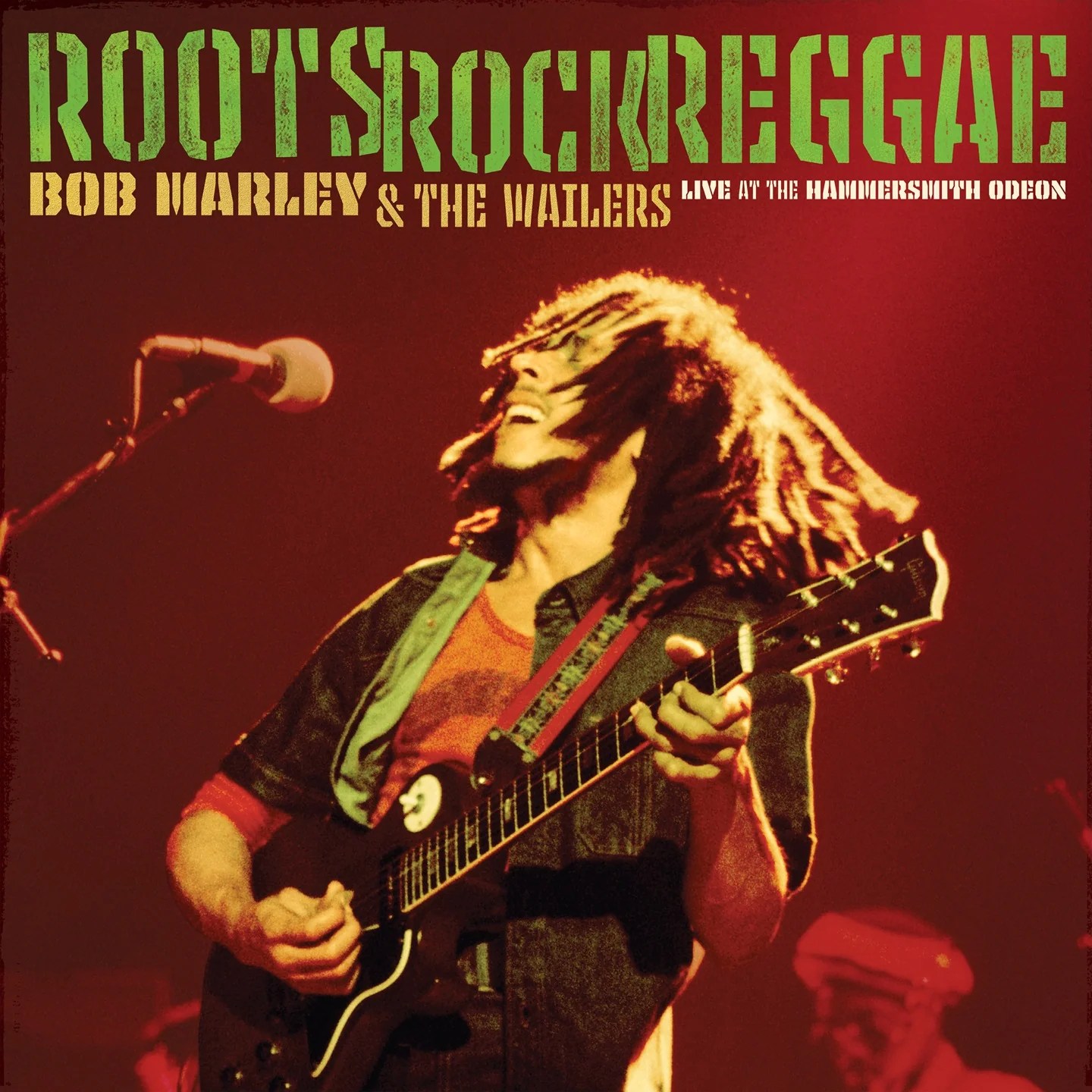
“Slave Driver” retains Marley’s reggae melody butoutfits it in bluegrass instrumentation and crystalline harmonies. “Better GitYer Learnin’” is rendered as a front-porch children’s tale with banjo, fiddleand shakers. John Brown’s better half finally gets her due on “Polly Ann’sHammer,” a song Giddens challenged Russell and Kiah to write. And hard-earnedredemption finally arrives on the album-closing twofer of “Music and Joy” and“You’re Not Alone.”
But the most powerful moment is the most musicallystark. “Mama’s Cryin’ Long” features four voices singing call-and-response overhandclaps and drums and needs just two minutes to tell a complete tale ofenslavement, rape, black reprisal and white revenge.
“Mama’s dress is red,” Giddens sings.
“It was white before,”her sistersanswer one of the most chilling pieces ever put on tape.