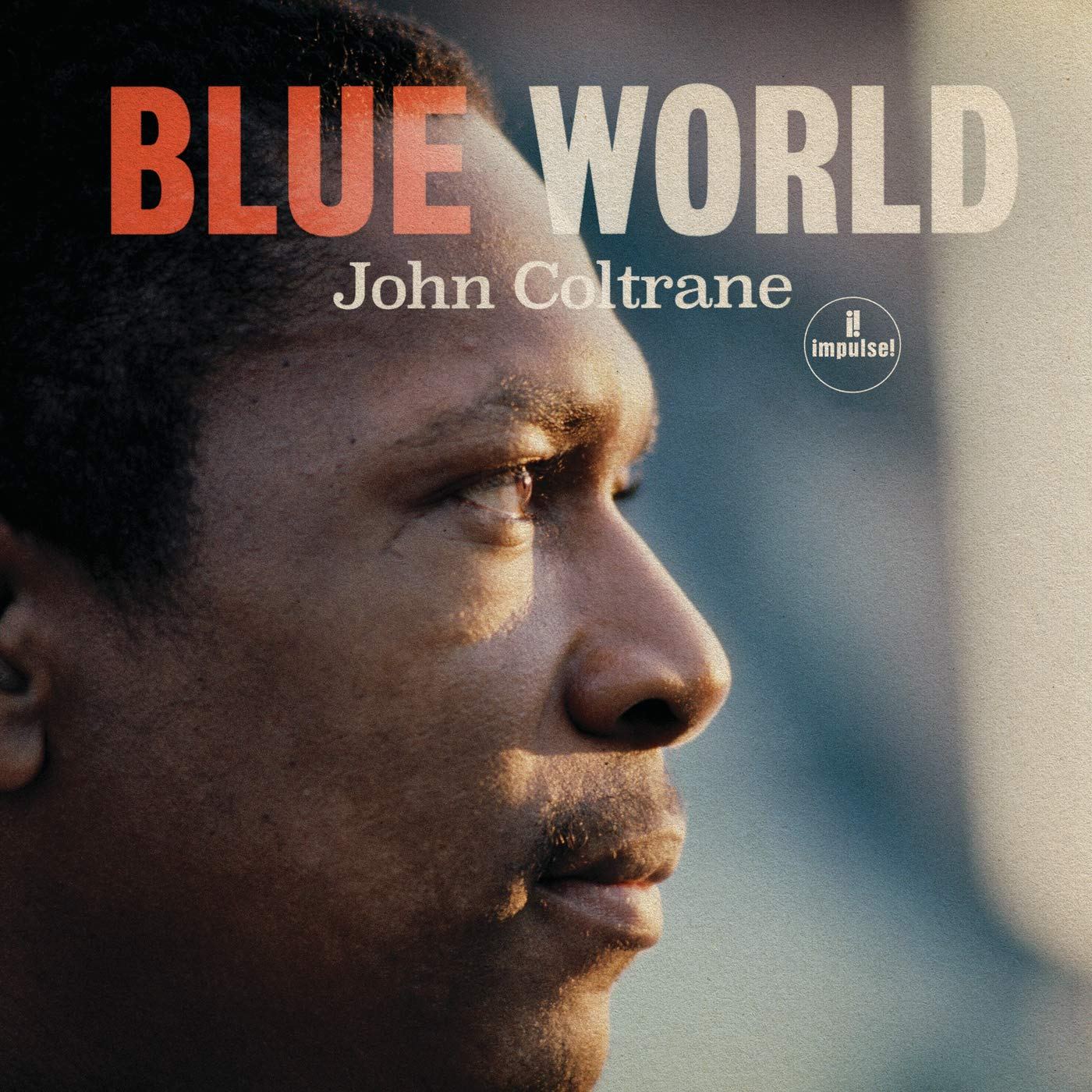
True, the three versions of “Village Blues,” and two of“Naima,” stretch this eight-song set just long enough to qualify it as analbum. And, all of the versions here,commissioned at the time of its June ’64 recording, were intended to berenditions of previously released Coltrane compositions recast as a soundtrackto Le chat dans le sac, a low-keyFrench film, not as a new album. Still,it is a notable new entry in the Coltrane catalog, in the best possible way, asa collection of these originals as performed by his classic quartet, at theprecise moment in his career when the saxophonist was moving away from suchstructure.
It’s an interesting intersection: Coltrane on the verge ofthe most avant garde two years of his career when he would set a torch to thebarriers of modal jazz, and this request to revisit his earlier work. As an historical piece, it’s just asnecessary to any Coltrane enthusiast as any of his other Impulse dates at VanGelder’s New Jersey studio, arguably where he made his best music. As a listening experience, it’s sonicallyimmaculate, as to be expected, and the multiple takes do offer the enticingcompare-and-contrast exercises not only with each other, but with previouslyreleased versions.
To that end, Coltrane and his ensemble seem, surprisingly,more restrained. “Naima,” in both takes,has a gentler, brighter feel; not as deeply spiritual as the romantic ode itwas when cut for Atlantic. So, too,“Like Sonny,” flutters more where its predecessor cut. “Traneing In” is probably the best example ofColtrane flexing, with the title track also allowing for more space, yetColtrane appears to respect the purpose of the music: to support the film,rather than serve as a launching pad for his freeform improvisations .
Anytime there is unreleased material from Coltrane’s quartetyears that surfaces, it’s worth a listen. The group and its leader were playing too well for anything to bedismissed. This record, in and ofitself, is an oddity- the premise, song selection, and tone of performances-but is anything but odd. Instead, itshould be considered as a valued and wholly unique moment in Coltrane’s career;as he traversed a bridge he would burn as he crossed, leaving this June ’64quartet date as maybe the first and last time he sounded like this.