It’s tempting to call Goldin a Brass Age the best overall album David Gray has made in two decades. In some ways, it’s been Gray’s burden to haveeverything he’s made since 1998 compared to that year’s White Ladder- the hit that announced him as a star to the world,(poetic for an underdog album that, according to legend, was largely made inGray’s bedroom). To his credit, themassive success of White Ladder seemed only to inspire Gray to move furtherafield of it creatively in each subsequent release, dabbling with lush stringarrangements or inviting Annie Lennox to guest on a song at a recording studiohe’d bought (from her). So, after fiveproper albums over the past 20 or so years, this latest is maybe the furthest fromthe simplicity of White Ladder, and paradoxically, the closest to it.
Gray, co-producing with Ben de Vries, has turned in a set ofsongs that embrace the bedroom arranger in him, acutely blending calculatedlayers of electronic percussion with the close-mic intimacy of hisuncontaminated and penetrating voice. “The Sapling” is a powerhouse opener, working off a delicate vocal thatgrows more ferocious as the stacks of instrumentation pile up underneathit. Dancing with a drum program on thetitle track, or letting lonely guitar punctuate the auto-tune gone to excess,(intentionally), as he sings of the ghost of Christmas past on “Furthering,”Gray steers into his experimental skids just enough to be fun, never too muchto be indulgent.
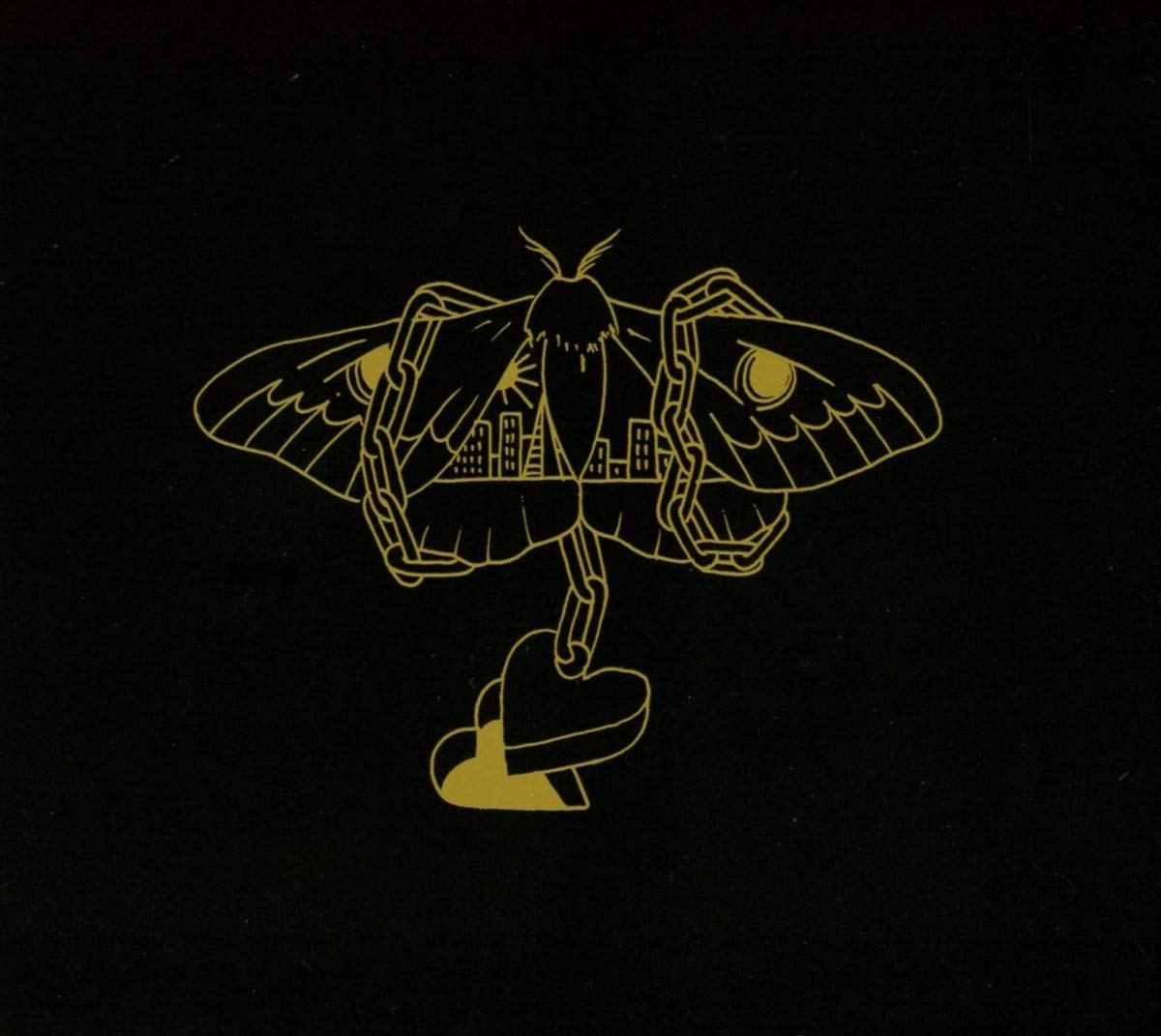
The upbeat clicks and claps of “A Tight Ship” and thelow-key dimming of “Watching the Waves” are contrasting to each other, and to thesubsequent chiming guitars and turned-loose vocal on “Hall of Mirrors,” yet allstill feel of a piece. In fact, thesongs slide into one another for a continuous listening experience that,perhaps, thumbs its nose at those eager to cherry-pick individual tracks. So many of these songs move with aninevitability towards a conclusion, if not a resolution, only to morph into thenext offering, not unlike the life of the butterfly depicted on the cover.
Though White Ladder was not a concept album, it did,however, possess a kind of symbiotic relationship from beginning to end andwithin. There are similarities to thatapproach here, as the slower, pensive “Hurricane Season,” ultimately turnsoptimistic at its dénouement, and the up-tempo “If 8 Were 9” closes the oftensober album rather brightly. Still, it’sthe overall effect of the album taken as a whole statement that makes it atopper. It isn’t that Gray hasn’twritten some terrific songs in the past two decades, but often those songssucceeded as stand-alone offerings appealing to a downloading world. There may not be that sing-along single onthis record; instead as a meticulous, conscious collection of music it ends upbeing something much better; like gold in a brass age.